Description
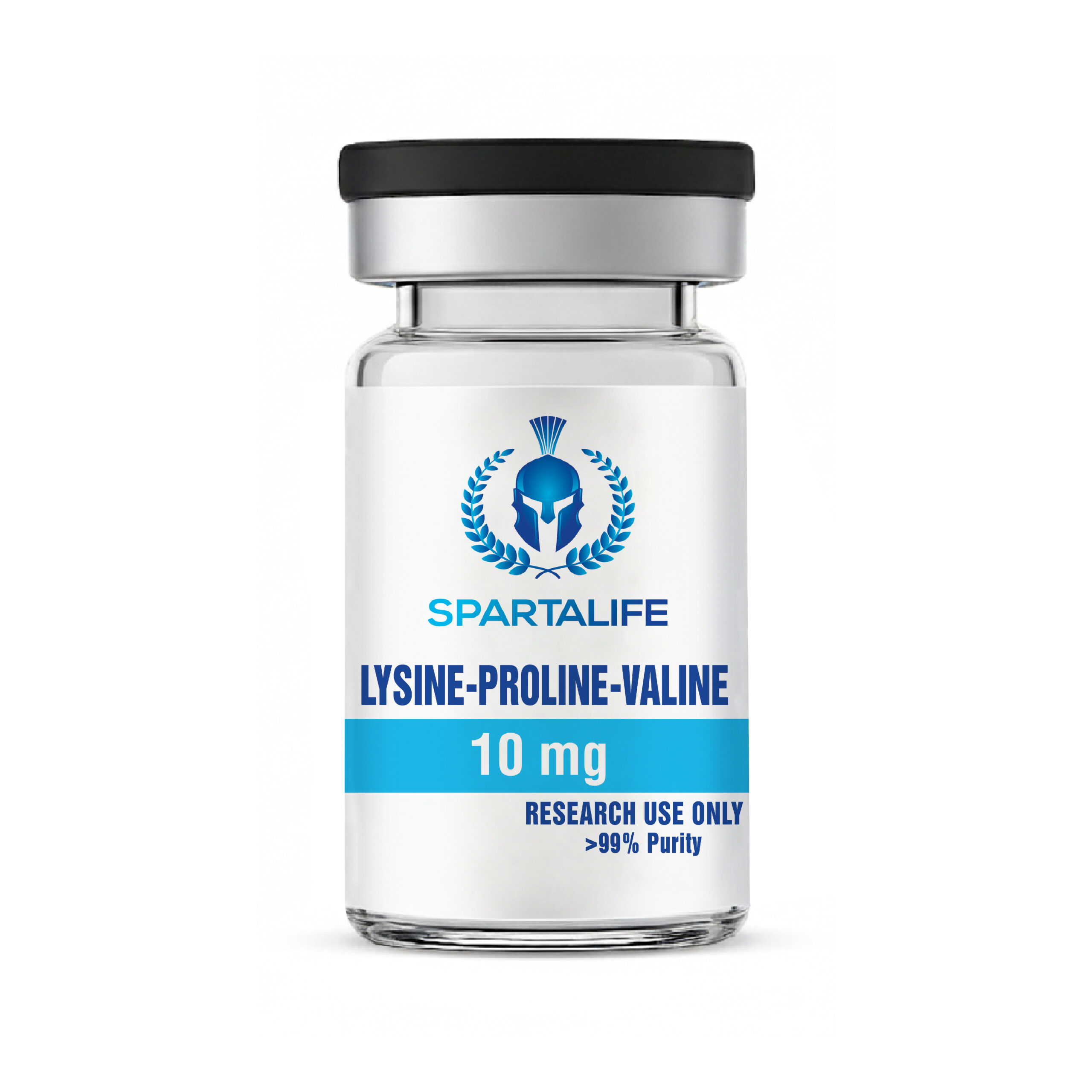
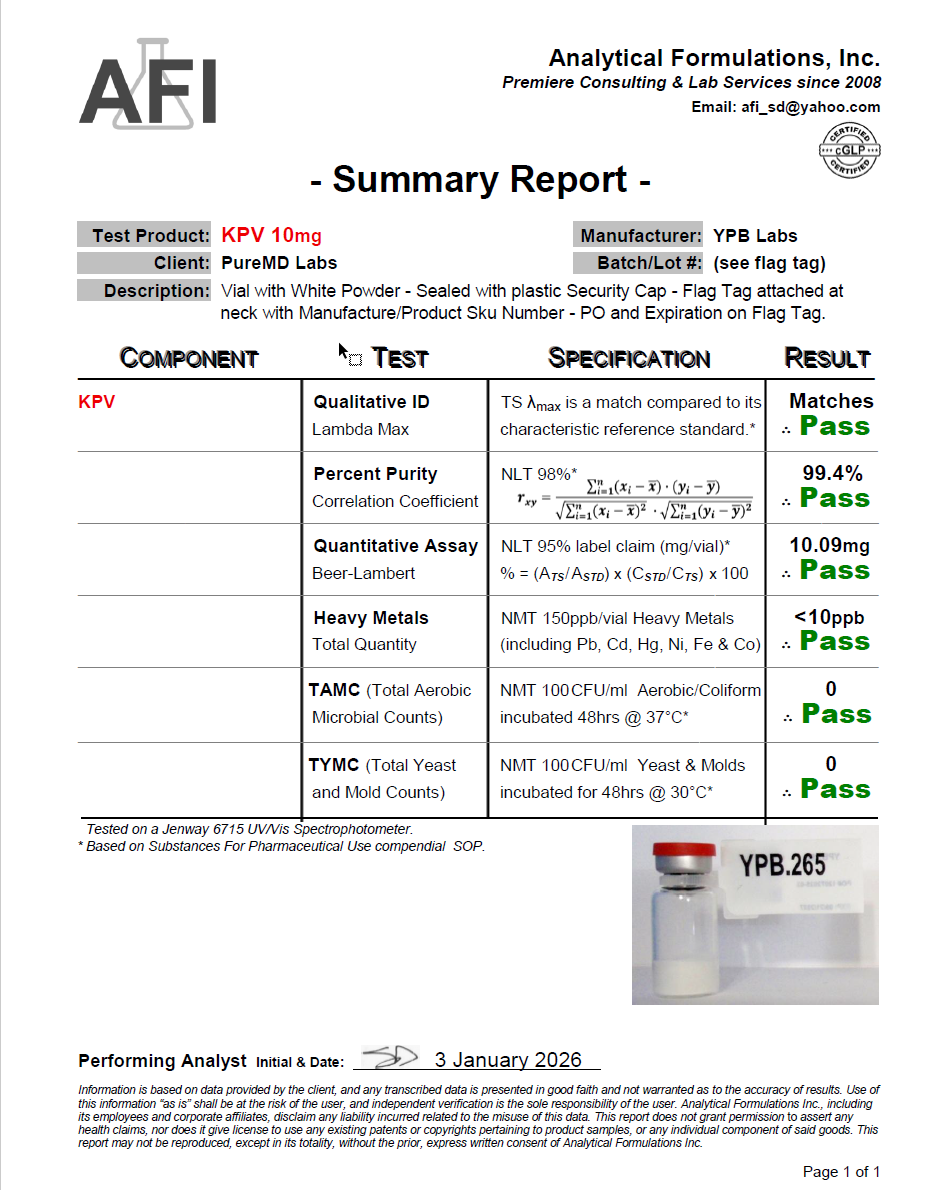
Lysine–Proline–Valine (LPV) is a short-chain tripeptide studied for its role in cellular signaling, tissue repair mechanisms, and protein interaction pathways. Due to its simple structure and naturally occurring amino acid sequence, LPV is of interest in research models focused on regenerative biology and peptide-mediated communication at the cellular level.
Peptide Overview
LPV is composed of three amino acids that are individually involved in structural support, enzymatic activity, and metabolic processes. When combined as a peptide sequence, LPV is studied for how small peptides may influence cellular responsiveness, extracellular matrix interactions, and localized signaling without acting as systemic hormones.
Because of its size, LPV is frequently explored in studies examining peptide stability, transport, and targeted biological effects.
Primary Areas of Research Interest:
• Cellular communication and peptide signaling pathways
• Tissue repair and regeneration models
• Protein synthesis and structural peptide interactions
• Connective tissue and extracellular matrix research
• Short-chain peptide bioactivity studies
LPV is often investigated as part of broader peptide research exploring how minimal sequences can trigger or support biologically relevant responses.
Mechanistic Characteristics:
• Short tripeptide structure allows for focused signaling research
• Composed of naturally occurring amino acids
• Useful for studying localized peptide effects
• Suitable for mechanistic and exploratory research models
Its simplicity makes LPV a useful tool for isolating peptide-specific effects without complex hormonal interactions.
Research Considerations:
As with all experimental peptides, outcomes depend heavily on study design, dosing parameters, and experimental context. LPV should be handled and evaluated strictly within controlled laboratory environments, and findings should not be extrapolated beyond research use.
Reviews