Description
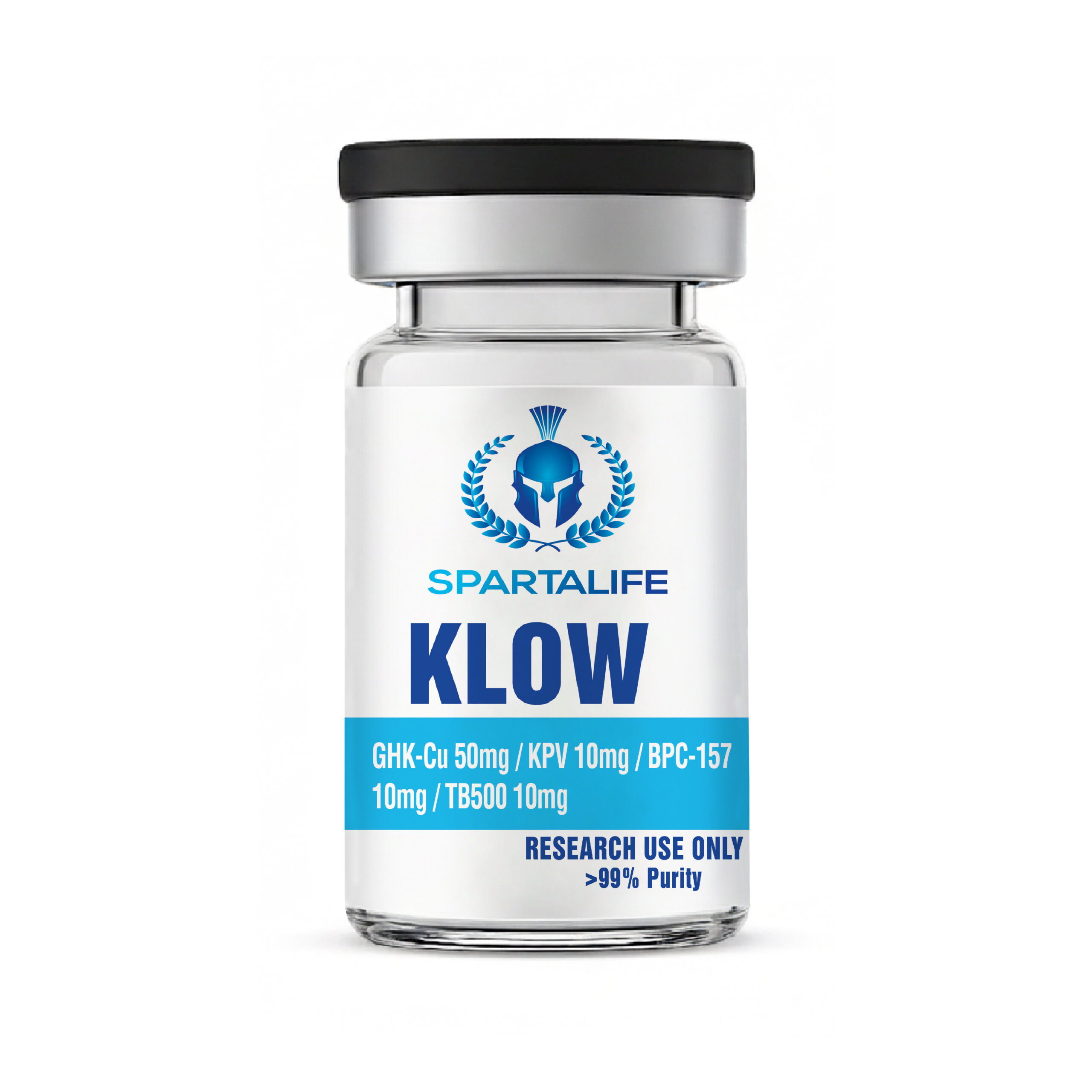
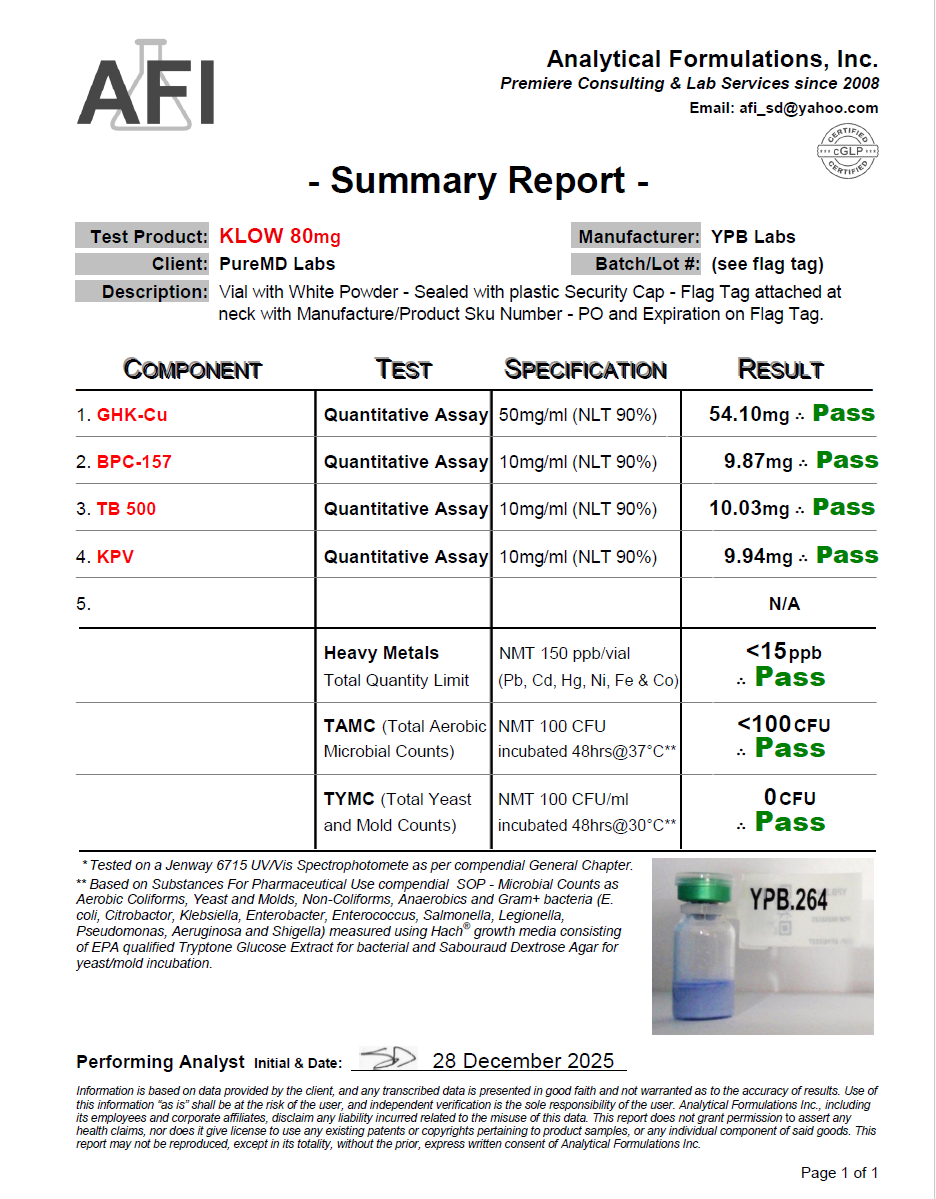
The KLOW Blend combines three well-researched peptides — GHK-Cu, KPV, and BPC-157 — formulated to support studies on cellular repair, inflammation modulation, and tissue regeneration. This synergistic trio is designed for researchers investigating the complex interactions between wound healing, immune response, and skin or tissue recovery mechanisms.
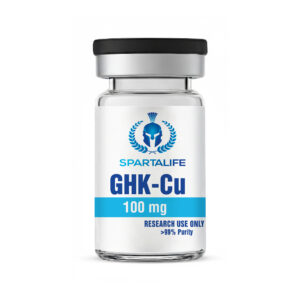
GHK-Cu (50mg): A naturally occurring copper-binding tripeptide (glycyl-L-histidyl-L-lysine-Cu) studied for its skin regeneration, collagen synthesis, and anti-inflammatory properties. Research suggests its involvement in gene expression linked to repair and remodeling.
KPV (10mg): A C-terminal α-MSH peptide fragment (Lys-Pro-Val) known for its anti-inflammatory and immune-modulatory potential. Studies explore its ability to reduce cytokine activity and support epithelial and barrier function.
BPC-157 (10mg): A gastric-derived pentadecapeptide that has been shown in studies to promote angiogenesis, tissue repair, and tendon healing, as well as cellular protection through nitric oxide pathway regulation.
Together, these peptides provide a multifunctional research complex for exploring regenerative biology, inflammation control, and cellular signaling in preclinical settings.
To keep your peptides fresh and effective, proper storage is essential. All of our peptides are produced through a lyophilization (freeze-drying) process, which keeps them stable during shipping for up to 3–4 months. Once your peptide is mixed with bacteriostatic water (reconstituted), it should be stored in the refrigerator to maintain maximum quality. After reconstitution, peptides typically remain stable and ready for use for up to 30 days.
Short-Term Storage (Days to Months)
Once your peptides arrive, it’s important to keep them cold and protected from light.
If you plan to use your peptides within the next few days, weeks, or months, refrigeration at or below 4°C (39°F) is generally sufficient.
Lyophilized (freeze-dried) peptides are typically stable at room temperature for several weeks. If they will be used within this timeframe, room temperature storage is acceptable.
Long-Term Storage (Several Months to Years)
For longer storage, peptides should be kept in a freezer at -80°C (-112°F). Deep freezing helps maintain peptide stability and prevents degradation over time.
Important Handling Tips
Avoid repeated freeze-thaw cycles, as this can compromise peptide integrity and lead to degradation.
Do not use frost-free freezers, since temperature fluctuations during automatic defrost cycles can affect peptide stability.
By following these storage recommendations, you can ensure your peptides remain stable, effective, and ready for use when you need them.
For more information on proper storage techniques, click the link below:
Peptide Storage Information
Reviews