Description
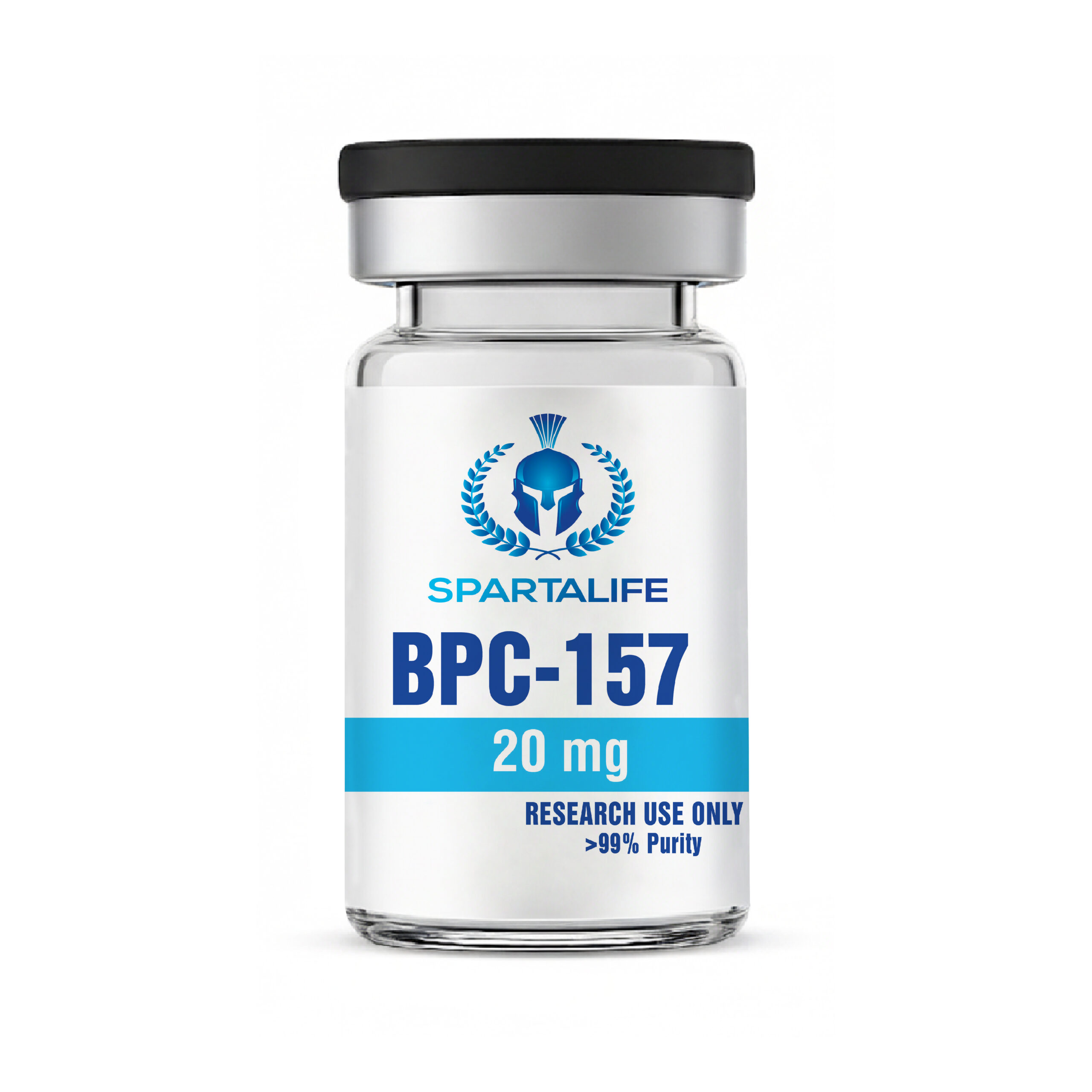
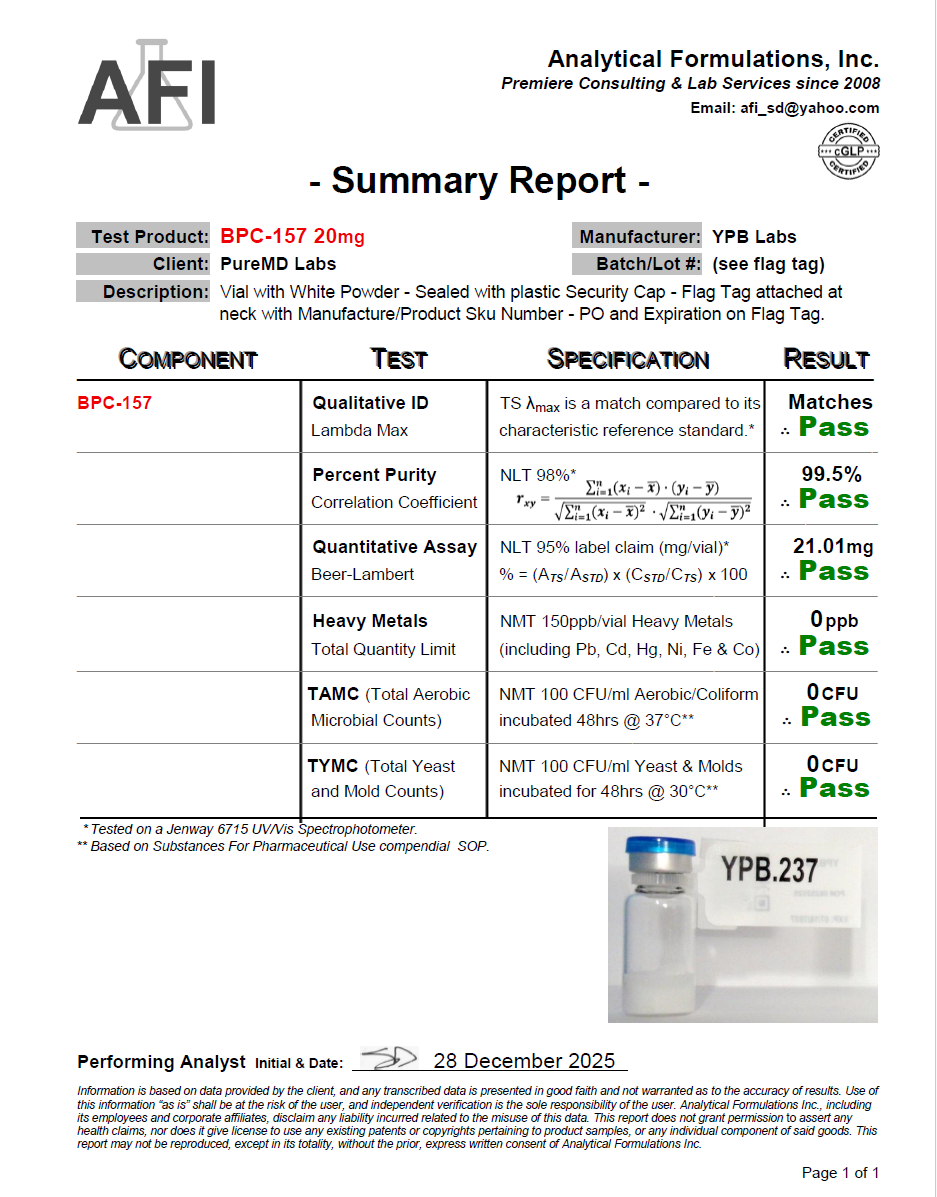
BPC-157 (Body Protection Compound-157) is a synthetic pentadecapeptide derived from a natural protective protein found in human gastric juice. It has been widely studied for its potential regenerative, cytoprotective, and angiogenic properties in various tissue models.
Research suggests that BPC-157 may promote cellular repair, tissue regeneration, and vascular growth through the modulation of nitric oxide (NO) signaling, VEGF pathways, and cytokine activity. These effects make it a valuable compound for investigating muscle, tendon, ligament, and gastrointestinal healing mechanisms.
This 20mg formulation provides an enhanced concentration ideal for extended or large-scale research applications, offering increased flexibility in in vitro and preclinical regenerative studies.
To keep your peptides fresh and effective, proper storage is essential. All of our peptides are produced through a lyophilization (freeze-drying) process, which keeps them stable during shipping for up to 3–4 months. Once your peptide is mixed with bacteriostatic water (reconstituted), it should be stored in the refrigerator to maintain maximum quality. After reconstitution, peptides typically remain stable and ready for use for up to 30 days.
Short-Term Storage (Days to Months)
Once your peptides arrive, it’s important to keep them cold and protected from light.
If you plan to use your peptides within the next few days, weeks, or months, refrigeration at or below 4°C (39°F) is generally sufficient.
Lyophilized (freeze-dried) peptides are typically stable at room temperature for several weeks. If they will be used within this timeframe, room temperature storage is acceptable.
Long-Term Storage (Several Months to Years)
For longer storage, peptides should be kept in a freezer at -80°C (-112°F). Deep freezing helps maintain peptide stability and prevents degradation over time.
Important Handling Tips
Avoid repeated freeze-thaw cycles, as this can compromise peptide integrity and lead to degradation.
Do not use frost-free freezers, since temperature fluctuations during automatic defrost cycles can affect peptide stability.
By following these storage recommendations, you can ensure your peptides remain stable, effective, and ready for use when you need them.
For more information on proper storage techniques, click the link below:
Peptide Storage Information
Reviews